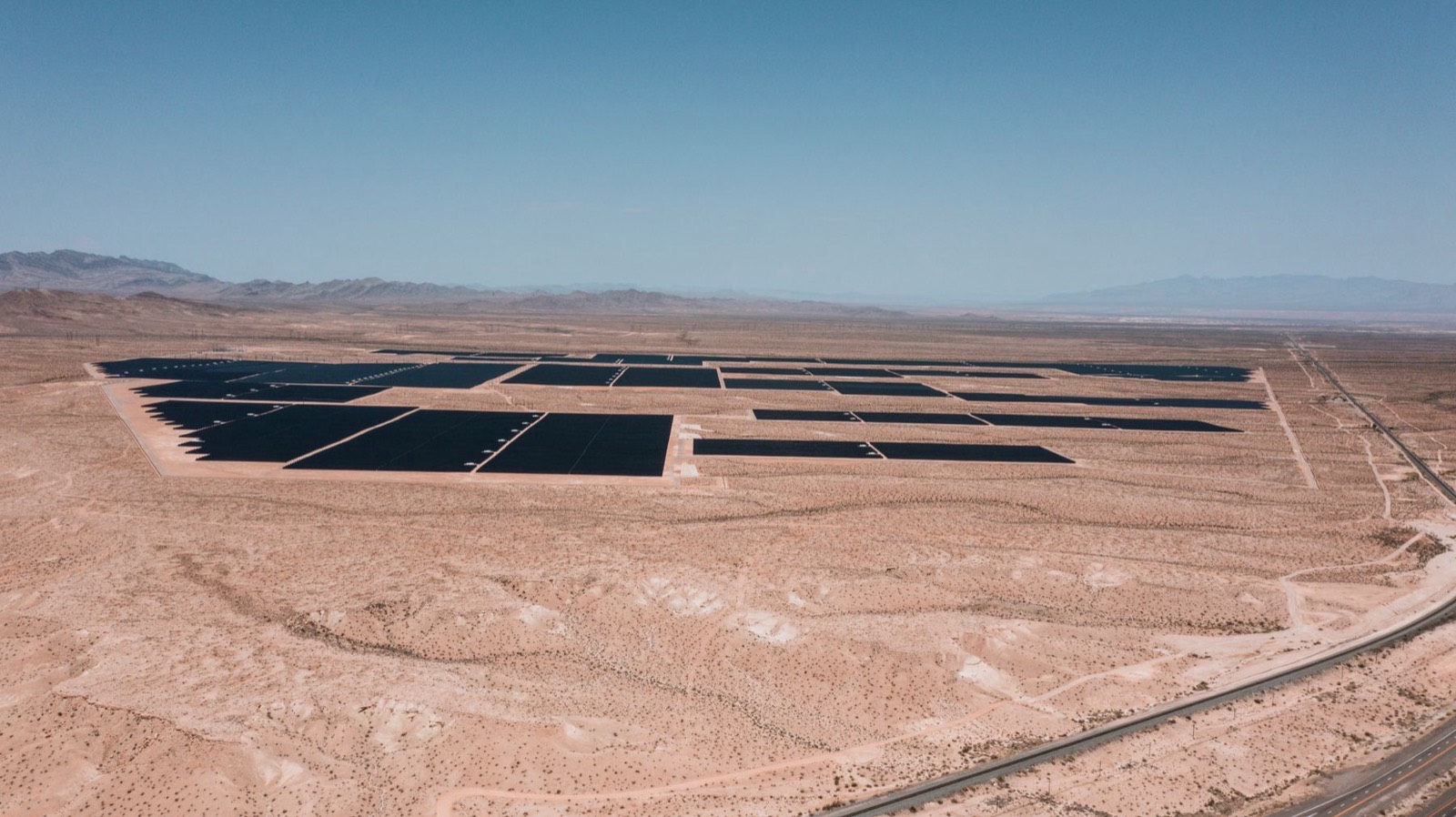
Solar panels generate electricity by converting sunlight that reaches the photovoltaic cell. Anything that sits between the sun and the cell, whether dust, sand, pollen, or airborne grime, reduces the light actually reaching the surface. In desert climates like Saudi Arabia's, where fine dust and sand are constantly airborne, this buildup on panel surfaces, known as soiling, happens faster and more persistently than in most other environments.
Soiling is rarely uniform. Wind patterns, panel tilt angle, proximity to roads or construction, and even occasional dew can all affect how quickly dust settles and how firmly it bonds to the glass. A light dusting that would normally blow off in open wind can bake onto a panel surface after a humid night, becoming harder to remove without proper cleaning equipment and technique.
The practical impact is a gradual decline in energy output that is easy to miss day to day, but adds up over weeks and months of accumulation. Because the loss is gradual, many site operators only notice it when it shows up in generation reports, well after the soiling has already been affecting output.
This is why a scheduled cleaning cycle matters more than a reactive one. Rather than waiting for a visible drop in output, a maintenance program that cleans panels on a regular interval, adjusted for local dust conditions and seasonal patterns, keeps soiling losses closer to a predictable minimum instead of an unpredictable maximum.
Traditional manual cleaning of large solar fields is labor- and water-intensive, and can be slow to scale across utility-sized arrays or hard-to-reach rooftop installations. Drone-based cleaning allows a trained crew to cover rows of panels systematically, using a controlled cleaning pass designed not to scratch or stress delicate photovoltaic glass, while moving through a site far faster than manual crews working panel by panel.
For solar operators in the Kingdom, the takeaway is straightforward: soiling is a near-certainty in this climate, and a consistent, well-planned cleaning cadence is one of the more reliable ways to protect the energy output a solar investment was built to deliver.