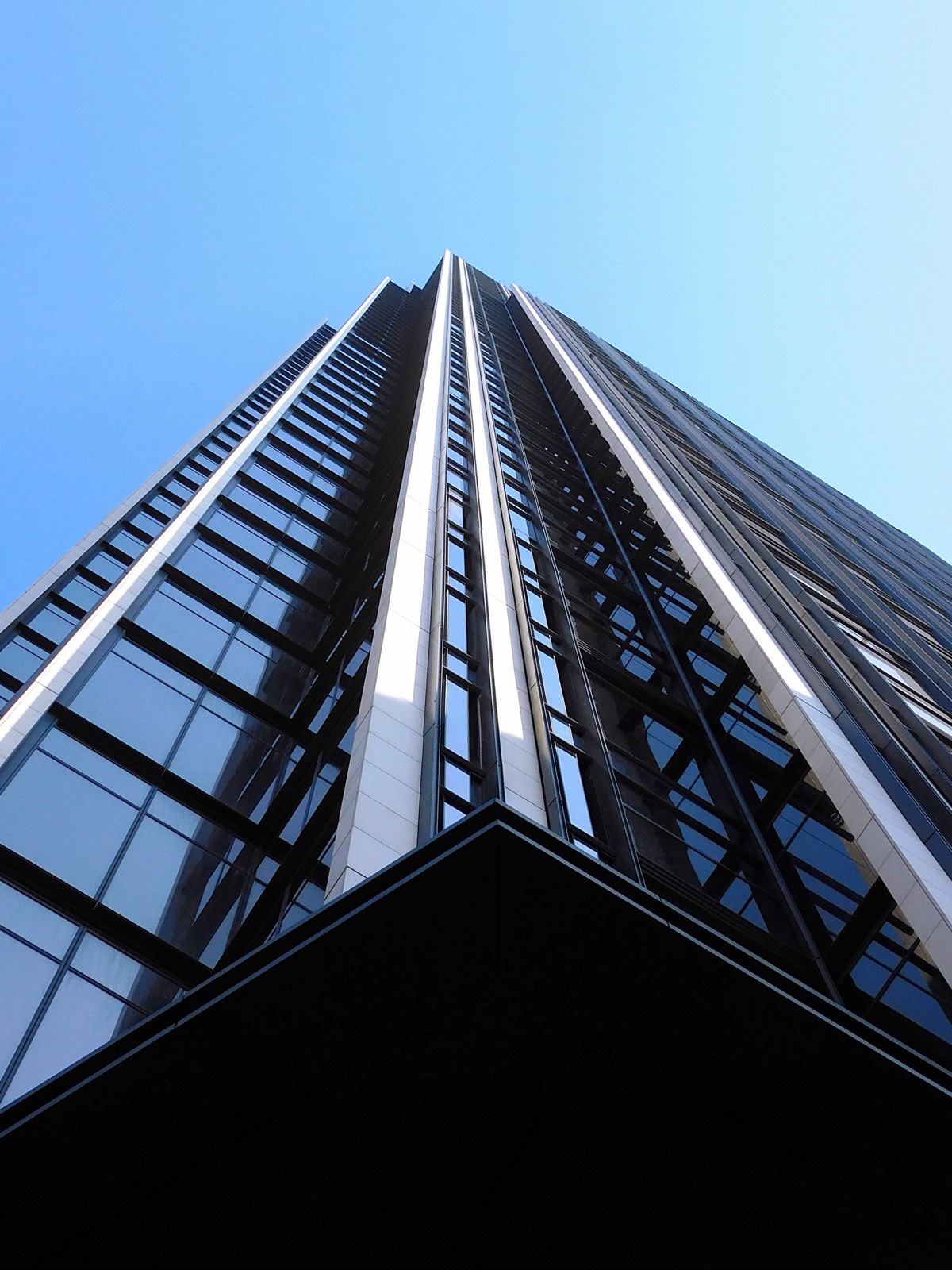
For decades, keeping a high-rise facade clean has meant choosing between two traditional access methods: scaffolding, which is slow and expensive to rig for tall or irregular buildings, or rope access, which depends on technicians working suspended at height. Both methods get the job done, but both come with trade-offs that building owners have simply had to accept, until drone-based cleaning became a viable alternative.
The most immediate difference is safety. Scaffolding and rope access both require people working at height, which carries inherent risk no matter how well the rigging is managed. Drone-based cleaning removes that exposure entirely: the cleaning equipment operates in the air, while the pilot and technicians remain safely on the ground, monitoring the flight path.
Speed is the second major difference. Rigging a scaffold around a tall or complex building footprint can take days before any actual cleaning even starts, and rope access technicians can typically only cover a limited area per shift. A flight-planned drone pass can move across large facade sections in a single session, with no rigging or de-rigging downtime between work days.
Disruption is the third factor, and often the one building occupants notice most. Scaffolding changes the building's footprint at ground level for the duration of a project, affecting entrances, parking, and sometimes natural light to lower floors. Rope access technicians working past windows can be disruptive to tenants during business hours. Drone cleaning has a much smaller ground footprint and a shorter overall presence on site.
None of this means drones replace every access method in every situation. Some facade geometries, obstructions, or site constraints still call for a traditional approach, and a proper site assessment should always determine the right method for a given building. But for a large share of high-rise and commercial facade work, drone cleaning now offers a safer, faster, and less disruptive path to the same result: a clean, well-maintained building exterior.