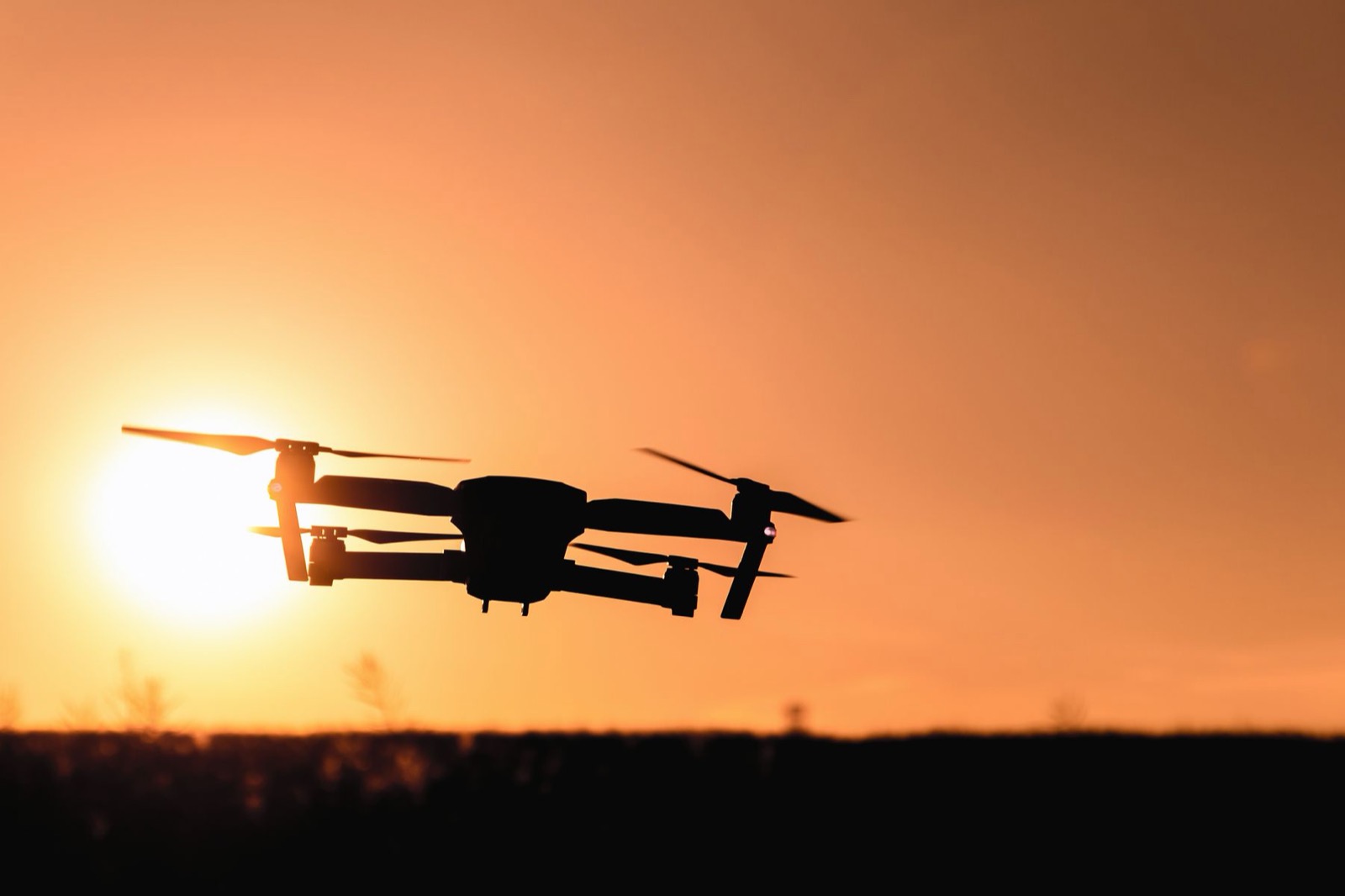
Operating cleaning drones around buildings, infrastructure, and industrial sites is not the same as flying a consumer drone for a hobby. A professional operator plans every flight in coordination with applicable regulations, site conditions, and the people working on or near the site, treating airspace safety as a planning step on every single project, not an afterthought.
In Saudi Arabia, drone operations fall under the oversight of the General Authority of Civil Aviation (GACA), which sets the regulatory framework operators are expected to work within. A responsible operator structures its training, equipment, and flight procedures around that framework rather than treating compliance as optional.
In practice, this coordination shows up well before a drone ever takes off. Every site gets a pre-flight assessment that looks at the surrounding airspace, nearby structures, overhead obstructions, and any site-specific restrictions. That assessment feeds into a flight plan that defines where the drone will fly, at what height, and along what path, reducing uncertainty once the flight begins.
Trained pilots are a core part of this picture. Flying a cleaning drone safely around a building facade, a solar array, or near aircraft on the ground requires more than general piloting skill. It requires an understanding of how to read a site, anticipate wind and obstruction risks, and know when conditions call for pausing a flight altogether.
Coordination does not stop at the operator's own procedures. On sites with their own safety requirements (an airport apron, an active industrial plant, a working marina), flight windows and procedures are aligned with that site's ground operations, not just general aviation rules.
The result of this layered approach, combining regulatory awareness, pre-flight assessment, trained pilots, and site-specific coordination, is that drone cleaning can be deployed around sensitive, high-traffic, or safety-critical environments without introducing new risk to the people and operations already on site.